A weak trickle from the shower head. A kitchen faucet that takes forever to fill a pot. Water pressure that seems to drop the moment someone else in the house turns on a tap. Low water pressure is one of the most common plumbing complaints homeowners deal with, and while it’s often treated as a minor annoyance, it can sometimes signal a more serious underlying issue. Understanding what causes low water pressure — and how to tell the difference between a simple fix and a bigger problem — can save homeowners time, money, and frustration.
In this guide, Ace High Plumbing Inc walks through the most common causes of low water pressure, how to diagnose the issue, and when it’s time to bring in a professional.
How to Tell If You Actually Have a Water Pressure Problem
Before diving into causes, it helps to confirm whether you’re dealing with a true pressure issue or a flow issue, since the two are related but not identical. Water pressure refers to the force pushing water through your pipes, while water flow refers to the actual volume of water coming out of a fixture. A clogged faucet aerator, for example, can reduce flow at a single fixture without indicating a true pressure problem elsewhere in the home.
If low water pressure affects a single fixture, the cause is often localized. If it affects your entire home, the issue is more likely tied to your main water line, pressure regulator, or municipal water supply.
Common Causes of Low Water Pressure
Clogged Aerators and Fixtures
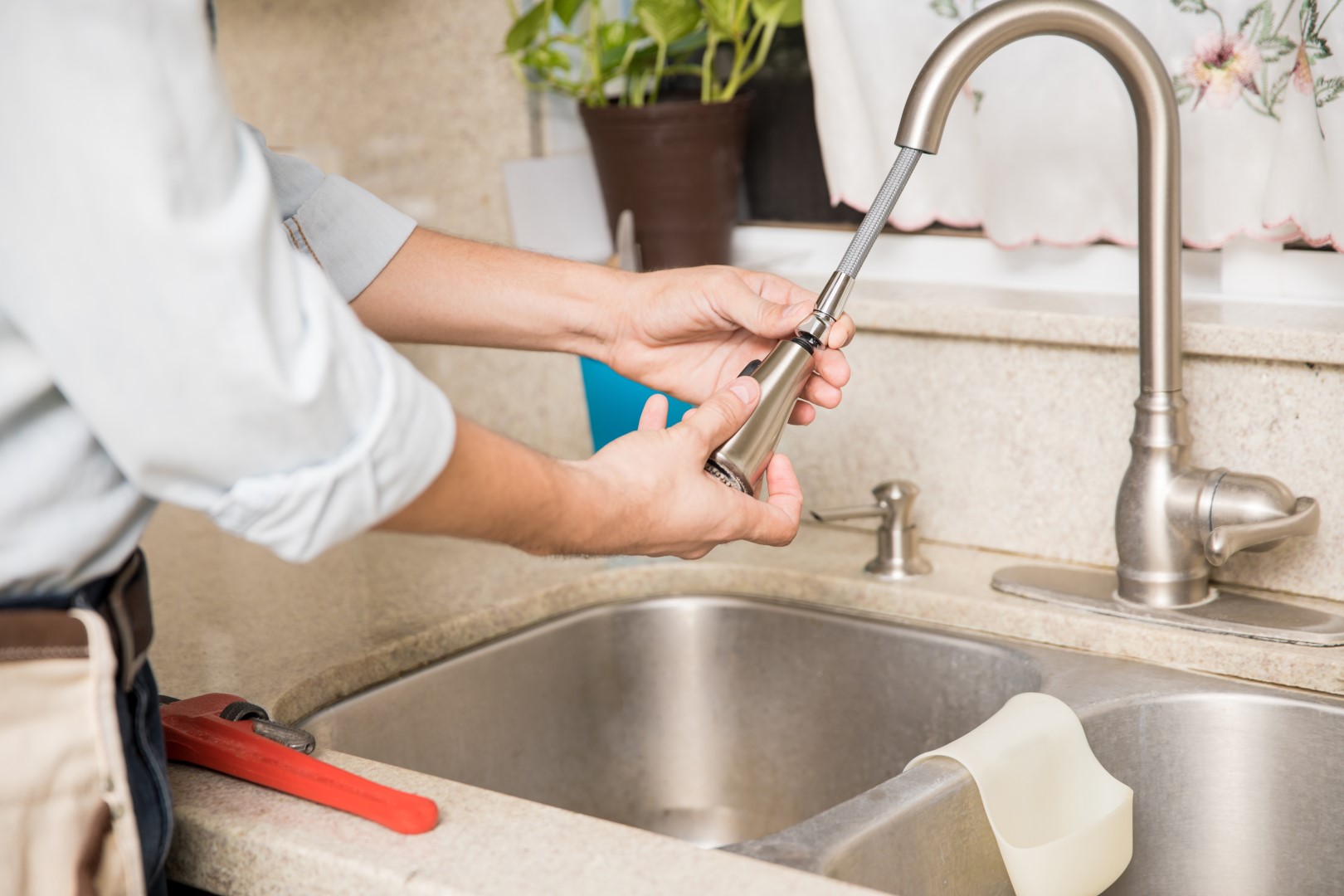
Mineral buildup and sediment can accumulate in faucet aerators and showerheads over time, restricting flow at that specific fixture. This is one of the simplest issues to diagnose and resolve, and it’s often mistaken for a larger pressure problem when it’s really just a localized blockage.
Corroded or Aging Pipes
Older homes with galvanized steel pipes are particularly prone to internal corrosion, which narrows the pipe’s interior diameter over time and restricts water flow throughout the home. This is a common cause of gradually worsening water pressure in older properties.
Water Leaks
A hidden leak, whether in a wall, under a slab, or underground, allows water to escape the system before it reaches your fixtures, reducing the pressure available at the tap. Leaks often come with other warning signs, such as unexplained increases in your water bill or damp areas that don’t have an obvious cause.
Faulty Pressure Regulator
Many homes have a pressure regulator that controls the water pressure entering the property from the municipal supply. When this component fails or malfunctions, it can cause noticeably low (or occasionally too high) water pressure throughout the home.
Municipal Water Supply Issues
Sometimes the source of low pressure isn’t in your home at all. Municipal water supply fluctuations, nearby construction, or high demand periods in your area can all cause temporary pressure drops that resolve on their own.
Partially Closed Shutoff Valves
After plumbing work or a water main repair, a shutoff valve that wasn’t fully reopened can restrict water flow throughout the home. This is a simple issue to check before assuming a more complex problem is at play.
Clogged or Undersized Pipes
In some cases, particularly in older homes, pipes may simply be too small for current household demand, or may have accumulated enough sediment and mineral buildup over the years to significantly restrict flow.
How to Diagnose the Source of Low Water Pressure
Check a Single Fixture First If only one faucet or showerhead is affected, start by checking and cleaning the aerator or showerhead for mineral buildup before assuming a larger issue.
Test Multiple Fixtures If low pressure affects multiple fixtures throughout the home, the issue is more likely related to your main water line, pressure regulator, or a broader plumbing concern.
Check Your Water Meter and Shutoff Valves Confirm that your main shutoff valve, and any valves near your water meter, are fully open. A partially closed valve is an easy fix that’s sometimes overlooked.
Look for Signs of a Leak Check your water bill for unexplained increases, and look for damp spots, mold, or unusually lush patches of grass in your yard, which can indicate an underground leak.
Consider the Age of Your Home If your home has older galvanized pipes and has experienced gradually worsening pressure over months or years, pipe corrosion is a likely contributing factor worth having evaluated.
When to Call a Professional Plumber
While some causes of low water pressure are simple DIY fixes, like cleaning a clogged aerator, others require professional diagnosis and repair. It’s time to call a plumber if:
- Low pressure affects your entire home rather than a single fixture
- You suspect a hidden leak based on your water bill or visible signs of moisture
- Your home has older pipes and pressure has been gradually declining over time
- You’ve checked shutoff valves and aerators without finding an obvious cause
- Water pressure changes suddenly rather than gradually, which can indicate a more urgent issue
A professional plumber has the tools and experience to accurately diagnose the source of the problem, whether that means locating a hidden leak, testing your pressure regulator, or assessing the condition of your home’s pipes.
What to Expect During a Professional Water Pressure Diagnosis
1. Initial Consultation A plumber discusses when the issue started, whether it affects one fixture or the whole home, and any other symptoms you’ve noticed.
2. Pressure Testing Using specialized equipment, a plumber measures your home’s actual water pressure and compares it to expected levels for your area and plumbing system.
3. System Inspection This may include checking your pressure regulator, inspecting visible pipes for corrosion, and looking for signs of leaks throughout accessible areas of your home.
4. Diagnosis and Recommendation Based on the findings, you’ll receive a clear explanation of the cause and a recommended solution, whether that’s a simple repair or a more involved fix.
5. Repair Once you approve the plan, the plumber completes the necessary repair, whether that’s replacing a pressure regulator, repairing a leak, or addressing pipe corrosion.
Preventing Future Water Pressure Problems
- Clean faucet aerators and showerheads periodically to prevent mineral buildup
- Schedule routine plumbing inspections, particularly for older homes
- Address minor leaks promptly before they grow into larger issues
- Know the location of your home’s main shutoff valve and pressure regulator
- Consider a water softener if hard water is contributing to mineral buildup throughout your plumbing system
Frequently Asked Questions
Is low water pressure always a sign of a serious problem? Not necessarily. Sometimes it’s as simple as a clogged aerator or a partially closed valve. However, persistent or whole-home low pressure often does point to a larger underlying issue worth investigating.
Can hard water cause low water pressure? Yes. Mineral buildup from hard water can accumulate inside pipes and fixtures over time, gradually restricting water flow throughout the home.
How do I know if my pressure regulator is failing? Signs include sudden changes in water pressure, unusually high pressure at times, or consistently low pressure throughout the home. A plumber can test the regulator to confirm whether it needs replacement.
Should I be worried if my water pressure suddenly drops? A sudden drop, especially if it affects your whole home, can indicate a more urgent issue like a significant leak or a problem with the main water line, and is worth having checked promptly.
Can old pipes really cause low water pressure? Yes. Older galvanized steel pipes are prone to internal corrosion, which narrows the pipe’s diameter over time and restricts water flow, often causing pressure to decline gradually over years.
Is low water pressure a DIY fix or does it need a plumber? It depends on the cause. Simple issues like a clogged aerator can often be resolved without professional help, but pressure regulator issues, hidden leaks, and pipe corrosion typically require a plumber’s diagnosis and repair.
Final Thoughts
Low water pressure is more than just an inconvenience — depending on the cause, it can be an early warning sign of a leak, aging pipes, or a failing pressure regulator. Understanding the common causes, knowing how to do some basic troubleshooting, and recognizing when it’s time to call a professional can help you resolve the issue efficiently and avoid more serious problems down the line.
Whether you’re dealing with a single weak fixture or pressure issues throughout your entire home, Ace High Plumbing Inc is ready to help diagnose the cause and get your water flowing the way it should.
